


Views: 0 Author: Site Editor Publish Time: 2026-08-20 Origin: Site


Machining aluminum creates a massive operational challenge for modern manufacturers. Raw aluminum chips, swarf, and turnings quickly take up sprawling floor space. They also retain expensive cutting fluids and suffer from severe oxidation during traditional recycling. You cannot afford to ignore these inefficiencies. Selling loose aluminum scrap consistently yields lower commodity returns. Facilities end up paying exorbitant fees to transport bins mostly filled with empty space. Furthermore, the trapped coolants represent a direct financial drain and a potential environmental hazard.
Implementing a robust metal briquetting press fundamentally transforms this narrative. You can convert an operational bottleneck into a high-density, premium-grade recyclable commodity. This single equipment upgrade directly improves bottom-line profitability and maximizes resource recovery. You will learn how densifying aluminum scrap minimizes melt loss, recaptures valuable machining fluids, and slashes logistical expenses across your entire production floor.
Maximized Melt Yield: Compressing aluminum scrap minimizes surface area, drastically reducing oxidation and melt loss in the furnace.
Fluid Recovery: High-pressure briquetting recovers up to 90% of expensive cutting fluids and coolants for reuse.
Cost Reduction: Densifying scrap reduces storage requirements and cuts transportation costs by maximizing payload weight.
Procurement Logic: Choosing the right equipment requires aligning metal briquetting press specifications with your facility's specific aluminum alloy types and daily throughput.
Loose aluminum chips carry a massive hidden cost. They oxidize rapidly when exposed to ambient air. When you introduce these loose chips to high furnace temperatures, they burn up before they melt. This creates significant material loss known as dross. You lose valuable metal directly into the atmosphere. Smelters must pause production to skim this dross off the top of the molten bath. This labor-intensive process slows down casting. Consequently, smelters penalize this inefficiency by offering lower purchase prices for loose chips.
Loose scrap also acts like a heavy sponge. It traps expensive machining coolants and cutting fluids inside the bins. Losing these fluids represents a severe financial drain. Every gallon of lost coolant forces you to buy replacement fluids at premium market rates. Stagnant fluid in chip bins breeds bacteria. It creates foul odors and degrades the shop environment. Furthermore, fluid runoff creates serious environmental compliance risks. Regulators heavily penalize uncontained industrial fluid leaks. Facilities often spend thousands on special vacuum trucks to manage waste coolant.
Transporting loose aluminum effectively means paying to transport air. Loose chips require enormous amounts of storage bins. They consume valuable manufacturing floor space. You need significantly more truckloads to move the same weight of material. Moving endless bins of loose chips requires constant forklift movement. This increases fuel consumption and elevates collision risks on the factory floor. This logistical nightmare eats aggressively into your recycling margins. Freight costs continuously rise. Paying for volume rather than actual payload weight destroys profitability.
Smelters gladly pay a premium for dense aluminum briquettes. These solid blocks sink quickly into the furnace melt. They avoid prolonged surface exposure, heavily reducing oxidation. This efficiency saves smelters enormous amounts of energy. Implementing an aluminum scrap metal briquetting press instantly upgrades your material's market classification. Loose chips might weigh 10 to 15 pounds per cubic foot. A solid aluminum briquette can easily exceed 100 pounds per cubic foot. You negotiate better rates because you provide a superior melting product.
The mechanical extraction process occurs during intense hydraulic compression. The ram squeezes the metal, forcing trapped liquids out through specialized drainage ports. You can recover up to 90 percent of these expensive coolants. Facilities channel this reclaimed liquid into centralized filtration systems. You can pump the recovered fluid directly into a centrifuge. This removes fines and tramp oil. You then send clean coolant back to the CNC machines. Filtering and reusing recovered coolants provides verifiable, immediate cost savings. You dramatically reduce your monthly new coolant purchases.
Densification radically transforms your outgoing logistics. A standard volume reduction ratio for aluminum often reaches 10:1 or even 20:1. A standard 40-yard roll-off dumpster reaches its volume limit long before hitting its weight limit. Briquetting flips this equation. You can now maximize truck weight limits rather than trailer volume limits. Fewer trucks leave your facility, slashing freight invoices immediately. A corner previously cluttered by twenty chip bins now holds just two pallets of dense briquettes.
Unmanaged scrap introduces severe hazards to daily operations. Leaking fluids create dangerous slip risks across the shop floor. Loose aluminum dust also poses severe fire risks if left unchecked. Briquetting contains the messy fluids and compacts the dangerous dust. You create a safer, fully compliant working environment for your operators.
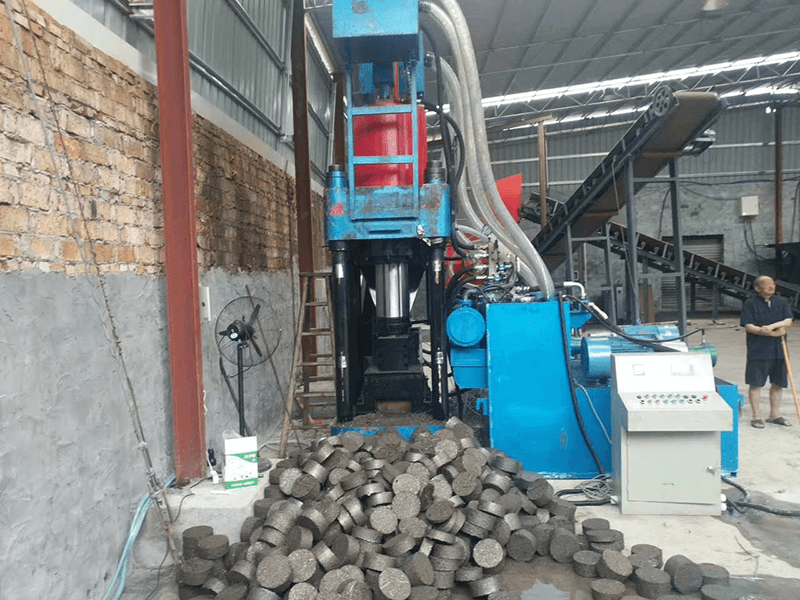
Evaluating the right equipment demands a close look at technical data. You must carefully review the metal briquetting press specifications to ensure a perfect match for your material.
Hydraulic pressure matters immensely for aluminum processing. Different alloys demand different specific pressures to achieve proper structural integrity. A 7075 aerospace aluminum chip requires significantly more force than a softer 6061 chip. If the pressure falls short, the briquette crumbles during transport. You should always look for target density metrics on the equipment spec sheets. A good standard for compressed aluminum typically hovers around 2.2 to 2.4 g/cm³. Achieving this density ensures the blocks survive rough handling.
Evaluating stated capacity requires extreme caution. Manufacturers often list theoretical maximums based on ideal conditions. You must weigh these numbers against your actual operational shifts. Do not underestimate your continuous run times. Undersizing the hopper leads to severe production bottlenecks. You will constantly wait for the machine to catch up. Always factor in loading time and routine maintenance pauses. Real-world output usually sits roughly 15 to 20 percent below the theoretical maximum capacity.
Not all scrap goes straight into the press. Long, stringy aluminum turnings behave very differently than uniform machining chips. You might need to integrate shredders or crushers before the pressing stage. Processing "bird-nest" turnings without pre-shredding often jams the feed mechanisms. Shredding ensures a consistent feed rate. It protects the pressing chamber from uneven loading and prevents mechanical damage.
Aluminum Scrap Profile | Pre-Processing Necessity | Estimated Volume Reduction Ratio |
|---|---|---|
Uniform CNC Machining Chips | None (Direct Feed Capable) | 10:1 |
Long "Bird-Nest" Turnings | Industrial Shredder / Crusher | 15:1 to 20:1 |
Mixed Swarf and Fines | Magnetic Separation (if contaminated) | 12:1 |
Sometimes, standard off-the-shelf units fall short of operational demands. You may need a custom metal briquetting press to resolve unique production bottlenecks.
Tight production floors require clever engineering and precise layouts. You can adapt the footprint, hopper orientation, and discharge conveyors. A customized layout ensures the equipment fits perfectly within your existing workflow. Vertical press designs save horizontal space. Custom discharge heights allow direct loading into standard shipping containers. You avoid wasting money on unnecessary facility modifications.
Fluid recovery needs seamless integration to remain efficient. Custom drip trays, sumps, and specific pump systems make a huge difference. You can tie these directly into your facility’s central coolant filtration system. This removes manual handling completely. Automated level sensors can trigger pumping sequences automatically. You prevent spills and reduce labor requirements simultaneously.
Many shops process more than just aluminum daily. You might machine harder metals like steel or titanium alongside softer alloys. Customizing die sizes and pressure controls allows you to handle multiple materials safely. You process everything on the exact same line. You simply change the PLC settings rather than buying a second machine entirely.
To determine if custom engineering is necessary, ask these three questions:
Does your current floor plan restrict standard conveyor angles or forklift access?
Do you require closed-loop integration into an existing centralized coolant filtration system?
Will you process varying alloys requiring highly adjustable hydraulic compression ratios?
Never buy a machine based purely on glossy brochures. A trustworthy metal briquetting press supplier will always mandate a material test. They will request a bulk sample of your specific aluminum scrap. This proves the exact briquette density and actual fluid recovery rates before sale. You receive tangible proof of concept. They return the pressed samples so you can physically inspect the structural integrity.
Compressing metal causes inevitable and continuous wear. Assess how the vendor communicates the lifespan of these critical consumables. You need clear data on replacement cycles for dies, punches, and hydraulic seals. Avoid partners who hide ongoing maintenance realities. Transparent suppliers provide preventative maintenance schedules upfront. They help you avoid unexpected downtime and keep production running smoothly.
The vendor relationship truly begins after installation. Evaluate their Service Level Agreement closely. Check the availability of local technicians and comprehensive operator training programs. Proper commissioning mitigates major implementation risks. Ensure they provide thorough documentation and accessible technical support hotlines. A fast response time prevents minor mechanical issues from becoming major production halts.
Be wary of generic payback promises. Avoid suppliers promising unverified payback periods based on best-case scenarios. Instead, look for those who model returns based strictly on your shift hours, scrap volume, and local market prices. They should build a custom financial model for your exact facility. Real data drives confident procurement decisions. Honest vendors will highlight both the immediate gains and the operational realities of running heavy machinery.
Briquetting aluminum offers far more than just basic waste management. It serves as a highly strategic manufacturing upgrade. You drastically improve melt yields while recovering extremely valuable machining resources. Operations managers should take immediate action. Calculate your current daily fluid loss and examine your recent transport freight invoices. Contact a qualified equipment manufacturer to arrange a material test today.
Transform loose chips into dense, premium-grade commodities to secure better smelter pricing.
Recapture thousands of gallons of valuable machining fluid annually for direct reuse.
Maximize transport payloads to slash ongoing logistical and freight expenses.
Prioritize material testing before finalizing any heavy equipment purchase.
A: While presses effectively squeeze out fluid, excessive pooling creates issues. High initial moisture requires pre-draining for optimal briquette integrity. If the scrap is completely saturated, it can cause hydraulic lock in the compression chamber. Draining the excess ensures a solid, dense block.
A: Wear part longevity depends heavily on your specific throughput. Aluminum is surprisingly abrasive due to microscopic oxides. Hardened steel dies generally last between 3,000 to 5,000 operating hours. Routine inspection and proper machine calibration extend this timeframe significantly.
A: It largely depends on your specific chip type. Small, uniform machining chips can go directly into the press. However, long, "bird-nest" turnings usually require pre-shredding. Feeding stringy turnings directly will tangle the augers and bridge the feed hopper.
A: High-volume facilities typically see a full return within 9 to 18 months. This rapid payback relies on three distinct pillars. You gain increased scrap value from smelters, massive coolant recovery savings, and drastically reduced transport costs.


