


Views: 0 Author: Site Editor Publish Time: 2026-09-23 Origin: Site


Transitioning from handling loose, wet aluminum swarf to producing dense, dry briquettes requires more than just purchasing equipment. It requires strict operational alignment. Unmanaged aluminum chips lead to lost cutting fluids and hazardous workspaces. They lower your scrap resale value considerably. They also create severe floor space constraints across your entire facility. Installing an aluminum briquetting press resolves these issues effectively. However, it demands precise facility planning for optimal success. You must consider everything from structural loads to fluid drainage. This guide outlines the exact implementation realities you will face. We cover defining technical specs to preparing your concrete footprint. Our insights ensure a seamless integration process. Following these steps accelerates your return on investment and improves shop floor safety. You will learn exactly how to align your new equipment with your facility's unique operational needs.
A successful installation relies on accurately matching machine throughput to your peak chip generation rates.
Facility preparation must account for structural load limits, hydraulic vibration, and integrated coolant drainage systems.
Understanding exact aluminum briquetting press specifications prevents under-sizing the hydraulic cylinder or over-specifying unnecessary automation.
Selecting the right supplier hinges on pre-purchase material testing and guaranteed availability of wear parts.
Modern machine shops generate massive amounts of scrap metal daily. Processing this scrap efficiently determines your overall profitability. The return on investment for compaction equipment relies on three major pillars. You must evaluate volume reduction, fluid reclamation, and melt yield economics.
Aluminum swarf consumes enormous amounts of space. Loose chips carry a very low bulk density. Realistic compaction ratios typically range from 10:1 to 20:1. The exact ratio always depends on your specific chip morphology. Fine milling chips compact differently than long turning strings. This extreme volume reduction drastically cuts your freight costs. You transport heavy, solid blocks instead of containers filled mostly with air. Storage requirements drop immediately. A highly efficient chip recovery aluminum briquetting press reclaims valuable floor space instantly. You can repurpose this freed space for active production machinery.
Coolant and cutting oils represent significant operational expenses. Loose swarf traps these expensive fluids easily. Conventional draining methods leave up to twenty percent of moisture behind. High-pressure compaction changes this reality completely. The pressing process squeezes expensive cutting oils directly from the swarf. Facilities routinely recover up to 90% of these residual coolants. You capture the fluid in integrated drip pans. You can then filter and reuse them immediately in your CNC machines. This creates immense financial savings. It also delivers substantial environmental benefits by reducing hazardous fluid disposal.
Scrap buyers and foundries view loose aluminum chips unfavorably. Loose chips possess a massive surface area. This high surface area causes rapid oxidation during the smelting process. Much of the aluminum simply burns off into slag. Dense briquettes solve this exact problem. They minimize the exposed surface area significantly. The solid pucks sink quickly into the melt. This drastically reduces oxidation and metal burn-off. Foundries achieve much higher actual metal yields. Because of this efficiency, they gladly pay premium scrap prices for dense briquettes. Your scrap transforms from a low-value byproduct into a premium commodity.
Selecting the correct machine requires careful technical evaluation. Buying off-the-shelf equipment without analyzing your specific swarf leads to bottlenecks. You must define your exact requirements before contacting vendors.
Throughput capacity dictates your primary machine choice. You must calculate your required capacity in pounds or kilograms per hour accurately. Always include buffer allowances for sudden production spikes. If your shop generates 500 pounds per hour normally, do not buy a 500-pound machine. Size the equipment for at least 600 pounds per hour. This twenty percent buffer prevents massive backlogs during peak production months. It also provides breathing room for routine maintenance downtime.
Pressure directly correlates to final puck density. You must evaluate the necessary pressing force carefully. Avoid brittle pucks that break apart during transport. Broken pucks defeat the entire purpose of compaction. Proper aluminum briquetting press specifications ensure your cylinders provide enough pressing force. Aim for a specific density target. You want solid, durable blocks. Under-sizing your hydraulic cylinders saves upfront money but ruins long-term viability. Always specify the exact bar or PSI required for your specific alloy type.
Material pre-processing needs require careful evaluation. You must determine if your swarf requires a pre-shredder. Fine chips from milling operations usually flow smoothly. However, long, stringy turnings from lathes create major problems. They often bridge together and jam feed hoppers. A pre-shredder cuts these long strings into uniform, flowable pieces. Sometimes you also need a centrifuge before chips enter the main press. High-moisture swarf sometimes requires this extra extraction step for optimal pressing.
Evaluate your desired automation level thoroughly. Compare manual loading against fully automated systems. Manual loading works for small shops generating low volumes. Larger operations demand conveyors and silo feed systems. Automation reduces labor costs significantly. It also keeps your operators away from sharp metal hazards. Choose your automation level based on your available workforce and shift schedules.
Specification Planning Matrix
Specification Category | Key Consideration | Common Mistake |
|---|---|---|
Throughput Capacity | Peak hourly generation + 20% buffer | Sizing based only on daily averages |
Hydraulic Pressure | Force needed for optimal density | Under-sizing cylinders to save costs |
Automation Level | Labor availability vs. conveyor costs | Ignoring silo buffering needs |
Pre-processing | Chip shape and length analysis | Feeding stringy turnings directly |
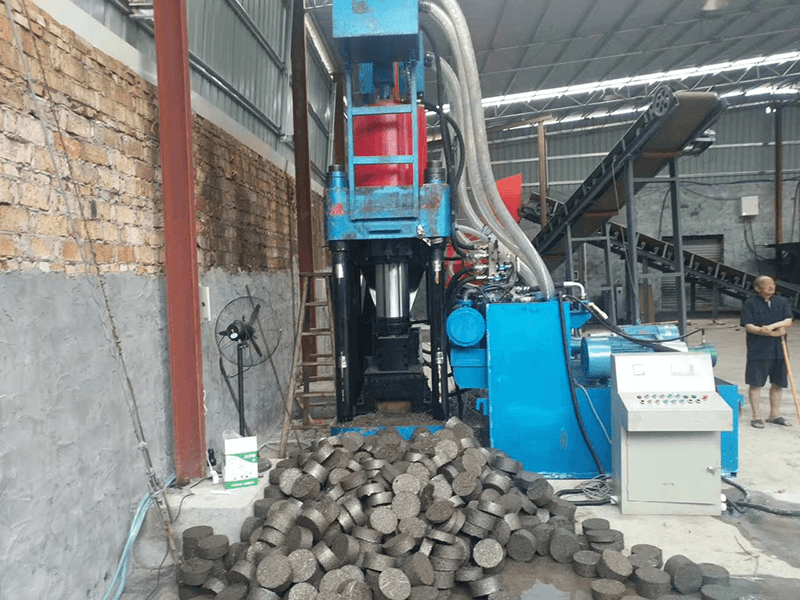
Great machinery fails in poorly prepared facilities. You must prepare your physical plant long before the delivery truck arrives. Site preparation involves complex logistical planning. You cannot simply drop the machine on any empty concrete slab.
Footprint and vertical clearance demand strict attention. Space requirements go well beyond just the raw machine dimensions. You must allocate sufficient room for safety perimeters. Maintenance technicians need space to pull hydraulic cylinders or replace dies. In-feed conveyors and output collection bins require adequate floor space too. Measure your ceiling heights carefully. Automated setups utilize tall silos for buffering loose chips. These silos often require significant vertical clearance. Forklift traffic routes must remain clear and safe around the new equipment.
Address the foundation and structural load limits immediately. The dynamic weight of a massive hydraulic press is substantial. The machine shifts heavy loads rapidly during each pressing cycle. This continuous vibration requires specific flooring considerations. Standard warehouse floors often crack under these dynamic stresses. You usually need dedicated, reinforced concrete pads. Work with structural engineers to verify your concrete's compressive strength. Install proper vibration isolation pads. These pads prevent structural cracking and reduce noise transmission throughout the factory.
Verify existing concrete thickness and PSI ratings.
Pour dedicated reinforced pads if existing floors fall short.
Install industrial-grade vibration isolation mounts.
Ensure a completely level surface to prevent uneven wear.
Fluid management infrastructure acts as the lifeblood of chip recovery. Plan your plumbing layout meticulously. The press will generate a continuous stream of recovered coolant. You need integrated coolant collection pans. Route these pans into reliable filtration units. Dirty coolant destroys CNC machine pumps. You must filter out fine metal dust before reuse. Plan the return plumbing lines back to your central coolant system. Trenching the floor often provides the cleanest, safest routing for these pipes.
Assess your power and electrical needs early in the planning phase. Heavy-duty industrial voltage requirements are standard. Calculate the exact amp draw during peak hydraulic loads. A press shifting into high-pressure mode pulls massive current. Ensure your electrical panels handle this load without tripping breakers. Also, plan thermal management strategies for your hydraulic power units. They generate significant heat during continuous daily operation. You might need supplemental water cooling or air chillers to maintain safe hydraulic fluid temperatures.
Standard machines perform beautifully for standard applications. However, modern manufacturing often presents unique challenges. Off-the-shelf units sometimes fail to fit your operational reality. In these scenarios, engineered customization becomes essential.
Non-standard layouts frequently force a custom engineering approach. Many older factories feature tight, low-ceiling plant floors. Standard silos simply will not fit. You might need to adapt hopper dimensions completely. Discharge angles can be modified to drop pucks directly into existing underground conveyors. Integrating with existing scrap handling lines requires precise dimensional matching. A custom aluminum briquetting press ensures seamless integration into awkward or heavily constrained floor plans.
Specialized alloy requirements trigger custom builds regularly. Standard aluminum compresses relatively easily. However, highly abrasive aerospace alloys behave differently. They cause rapid, severe wear on standard machine components. You can customize die hardening treatments to combat this friction. Specialized coatings extend the life of the pressing chamber. Upgraded hydraulic cooling systems handle the extra heat generated by tough, unyielding alloys. Customizing these components prevents frequent breakdowns.
Turnkey system integration represents the ultimate custom solution. Standard units sometimes fail to meet high-level automation goals. You might require a custom-engineered, fully closed loop. This loop connects your chip shredder directly to the press. It then pumps fluid to a centralized coolant filter automatically. Custom PLC programming ensures these disparate machines talk to each other perfectly. If the shredder jams, the custom software halts the press automatically. This prevents catastrophic cascading failures across your production line.
Your equipment is only as good as the company standing behind it. Choosing a vendor based solely on purchase price guarantees future headaches. You must evaluate their engineering expertise and post-sale support networks.
Mandatory material testing remains completely non-negotiable. You should only shortlist vendors who process a physical sample of your chips. They must test your specific aluminum swarf before ever sending a quote. Chip behavior varies wildly based on coolant type and cutting tool geometry. A physical test proves their machine handles your exact material. They should return the finished briquettes to you for inspection. Measure the density and inspect the fluid extraction levels yourself.
Evaluate the supplier's wear parts availability rigorously. Compacting metal involves extreme friction. Wear parts degrade inevitably. Examine their supply chain for these critical components. Pressing rams, hardened dies, and hydraulic seals need quick replacement. Downtime costs money every single hour. A reliable aluminum briquetting press supplier stocks these parts locally. They should offer guaranteed shipping times for critical breakdown components. Ask for their spare parts inventory list during the negotiation phase.
Review service and support agreements carefully. Frame clear expectations for installation oversight. Will they send factory technicians to supervise the rigging? Demand comprehensive operator training programs. Your maintenance team must understand the hydraulic schematics completely. Establish preventative maintenance schedules early. Clarify warranty terms regarding normal wear and tear versus catastrophic component failure.
Verify strict safety and compliance standards. Industrial accidents carry massive liabilities. Ensure the equipment adherence to regional safety standards. Machines must meet OSHA or CE certifications depending on your location. Check the emergency stop protocols thoroughly. They must halt the hydraulic rams instantly. Hydraulic safety lockouts must meet all current industrial regulations. Guarding around the pressing chamber must prevent operator access during automated cycles.
Proper installation planning transforms an annoying aluminum chip problem into a highly automated revenue stream. This holds true provided you address all technical specifications and facility constraints early. Careful planning prevents operational bottlenecks. It also ensures maximum fluid recovery and optimal scrap market value. Rushing the installation phase always leads to structural issues and machine downtime.
Advise your engineering team to audit your monthly chip volume immediately. Calculate your peak hourly generation rates accurately. Schedule a material test with a qualified supplier. Make this your critical first step in procurement. You must see how your specific swarf behaves under pressure. Action-oriented planning guarantees a smooth, highly profitable equipment integration.
A: Typically aiming for 2.2 to 2.4 g/cm³ to ensure the briquette sinks in the melt rather than floating and oxidizing.
A: Depends on chip size. Fine chips from milling usually do not, while long, stringy turnings from lathes almost always require pre-shredding to prevent hopper bridging.
A: While dependent on initial moisture content, modern presses typically recover 85% to 95% of residual coolant for immediate filtering and reuse.


