


Views: 0 Author: Site Editor Publish Time: 2026-09-30 Origin: Site


Unplanned downtime is not just a frustrating mechanical failure. It creates an immediate halt to facility revenue. It bottlenecks scrap flow entirely. You will quickly notice how it disrupts downstream logistics. Balers are built for brutal processing environments. However, neglecting proactive maintenance leads to catastrophic outages. You might face blown main cylinders. Warped shear blades can halt production for days. Every minute of inactivity drains your operational budget significantly. Recycling centers rely heavily on continuous material throughput. When a baler stops, yards quickly overflow. Equipment durability alone cannot prevent these operational disasters. Routine inspections catch small problems before they escalate. Replacing a worn seal takes a few hours. Rebuilding a severely damaged cylinder requires weeks. This guide provides an evidence-based roadmap for preventative maintenance. You will learn how proper upkeep mitigates massive production losses. We also outline how serviceability should drive your final purchasing decisions. You can implement these preventative strategies immediately.
Routine fluid analysis and thermal management prevent 70%+ of hydraulic failures.
Maintaining strict tolerances on shear blades and wear liners drastically reduces mechanical strain and energy consumption.
Evaluating steel baling machine specifications for maintenance accessibility is as critical as assessing cycle times.
Partnering with a verified steel baling machine supplier ensures rapid OEM parts availability, directly mitigating extended downtime risks.
Microscopic particles cause massive internal damage. Dirt and metal shavings act like abrasive paste inside fluid systems. They enter through breather caps or worn wiper seals. Once inside, they score pump vanes deeply. They also destroy sensitive proportional directional valves. Degraded fluid viscosity poses severe operational risks. High heat breaks down oil molecules rapidly. The fluid loses its protective lubricating film. Pumps work harder and overheat rapidly. Blown cylinder seals inevitably follow these conditions.
Metal processing generates intense physical friction constantly. Ignoring wear plates causes sudden friction spikes. Shear blade gaps naturally widen over months of heavy use. Operators often miss this slow structural degradation. The machine then struggles to cut scrap cleanly. Material folds instead of shearing efficiently. This wedges the main ram tightly inside the chamber. It forces the hydraulic system to operate at relief pressure continuously. This extreme stress risks severe structural warping over time.
Modern balers rely heavily on electronic feedback loops. Dust and constant vibration plague these sensitive components. Fine metallic dust coats inductive proximity sensors easily. It blinds them completely, preventing ram positional feedback. Poor cable management creates serious pinch hazards. Cables chafe against moving metal structures daily. Limit switches fail to send positional data. Programmable Logic Controllers (PLCs) then trigger false safety faults. These nuisance trips halt production instantly. You must secure and shield all wiring properly.
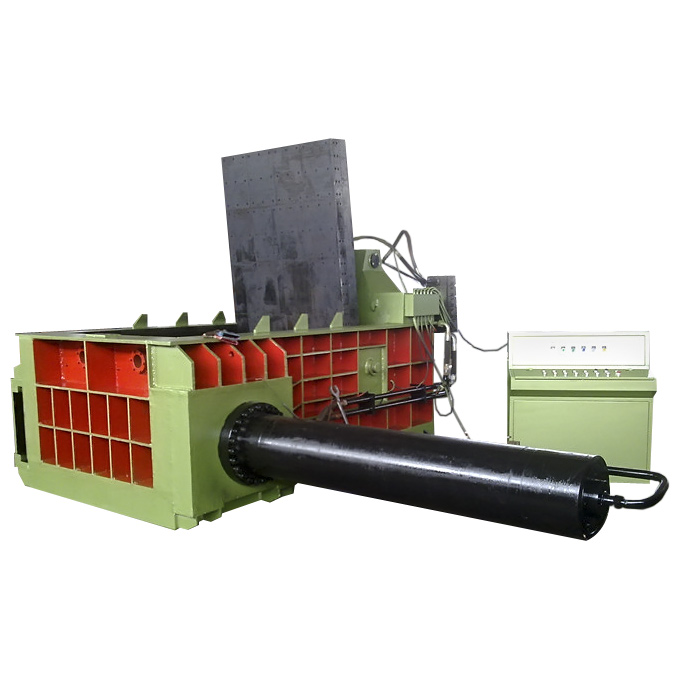
Shift-start checks reveal hidden dangers early. Operators must walk around the equipment daily. They should spot weeping hydraulic hoses immediately. Puddles indicate failing fittings or cracked high-pressure lines. Auditory checks are equally important for diagnostics. Abnormal pump whining indicates dangerous cavitation happening inside. Popping sounds suggest trapped air within the fluid lines. Loose limit switches require immediate physical tightening. Catching these mechanical warnings early saves massive repair bills.
Friction destroys unprotected metal joints remarkably fast. Greasing pivot points remains an absolute daily requirement. Cylinder trunnions and heavy door hinges need consistent care. Manual greasing often gets skipped during busy production shifts. Auto-lube systems eliminate this costly human error completely. They pump precise grease volumes at timed intervals accurately. They yield incredibly high returns on investment. Evaluate these lubrication features carefully during procurement. They prevent seized hinge pins and costly downtime.
A clean machine runs much cooler and safer. Debris builds up rapidly behind the main compression ram. You must clear this restricted area regularly. Packed scrap causes severe physical ram jams. It destroys wiper seals by pushing sharp dirt inside. Sweep around photocells diligently every single shift. This simple housekeeping step stops sensor blinding entirely. It prevents the system from locking out unexpectedly. Good housekeeping serves as fundamental preventative maintenance.
Inspect all high-pressure hose fittings for fresh oil seeps.
Listen for high-pitched whining near the main hydraulic pumps.
Verify all safety gates and interlock switches operate smoothly.
Clear accumulated metal shards from the ram travel path.
Check the main reservoir oil level sight glass carefully.
Many facilities rely purely on time-based fluid changes. This outdated approach wastes money and risks unexpected failures. Move toward strict condition-based changes instead. You should pull oil samples for laboratory testing quarterly. Track particle counts and water content meticulously. Follow ISO cleanliness standards (like ISO 4406) rigidly. A target of ISO 18/16/13 is ideal for proportional valves. High particle counts warn you before major components fail.
Filtration strategy dictates overall system longevity heavily. You must understand the difference between specific filters. Return-line filters catch debris returning from the cylinders. High-pressure filters protect sensitive valves located downstream. Standardize your filter replacement intervals rigorously. A clogged filter eventually opens an internal bypass valve. The system then circulates unfiltered, highly abrasive dirty oil. Desiccant breathers are also critically important. They stop atmospheric moisture from entering the main tank.
Hydraulic systems generate immense heat during continuous compression. You must maintain optimal operating temperatures constantly. Temperatures above 140 degrees Fahrenheit degrade oil rapidly. Use efficient heat exchangers or active oil coolers. Clean the external cooler fins weekly to ensure maximum airflow. Proper cooling preserves vital seal integrity heavily. Heat hardens urethane seals, making them stiff and brittle. Brittle seals crack under high pressure and cause severe leaks. This thermal management strategy is vital. It is especially crucial for a metal processors steel baling machine handling back-to-back shifts.
Blade gaps involve precise operational math. Maintaining tight tolerances remains absolutely critical. A gap deviation of just a few millimeters changes everything. Tight clearances prevent sheet metal from wrapping around edges. They reduce the required ram friction significantly. This saves immense amounts of electrical energy over time. Use precise feeler gauges to check these gaps monthly. Rotate or flip sheer blades before they dull completely.
Monitor your abrasion-resistant wear plates closely. Most heavy-duty machines utilize Hardox 450 or 500 steel. High-volume scrap sliding across floors causes deep surface gouges. You must know the threshold for active shimming. Minor wear allows you to shim the plates outward effectively. Deep grooving means complete plate replacement becomes necessary. Delaying replacement lets the ram drag directly on the frame. This metal-on-metal contact causes catastrophic structural damage.
Main compression cylinders endure massive daily workloads. Inspect their outer chrome plating regularly. Look for dull spots or deep vertical scoring marks. Contaminated rod wipers cause these damaging deep scratches. Scratched chrome acts like a cheese grater on internal seals. This visual cue predicts impending seal failure accurately. Repairing a scored rod early saves the entire cylinder. It prevents catastrophic fluid loss during a compression stroke.
Component | Inspection Frequency | Warning Signs | Replacement Action |
|---|---|---|---|
Shear Blades | Weekly | Rounded edges, material folding | Rotate, shim, or replace |
Wear Liners | Monthly | Deep gouges, plate thinning | Shim to spec or weld new plates |
Cylinder Rods | Daily | Chrome scoring, oil weeping | Replace wiper seal, polish rod |
Hinge Pins | Quarterly | Excessive play, deep grooving | Replace pin and bronze bushing |
Buyers must demand highly accessible architectural designs. Every maintenance task requires physical reach and visibility. Hard-to-reach components get ignored by busy maintenance crews. Look for a custom steel baling machine featuring wide inspection hatches. Mechanics need space to swing heavy wrenches comfortably. Modular manifold blocks speed up hydraulic troubleshooting drastically. You can replace a single cartridge instead of the whole block. Demand standardized, non-proprietary components everywhere.
Obscure hydraulic pumps pose massive facility downtime risks. Finding a specialized replacement overseas takes weeks. You lose thousands of dollars waiting for international shipping. Rely on readily available, standardized fluid components instead. Brands like Rexroth and Parker offer highly reliable global sourcing. Local hydraulic shops stock their seals and basic parts. This local availability keeps your repair times to hours, not weeks. It transforms emergencies into minor inconveniences.
Your vendor partnership dictates your long-term operational success. Always check their Service Level Agreement (SLA) carefully. Verify their technical support responsiveness before signing contracts. Do they offer 24/7 remote diagnostic support? Confirm their domestic parts inventory footprint thoroughly. Ask if they stock critical main ram seals locally. Check their current inventory of directional valves and PLCs. Avoid vendors quoting a six-week lead time for basic spares. A reliable partner ships critical items overnight without hesitation.
Feature | Standard Design Risk | Optimized Design Benefit |
|---|---|---|
Hydraulic Access | Enclosed frames require major teardowns. | Removable panels allow rapid seal changes. |
Component Sourcing | Proprietary parts cause week-long delays. | Standard ISO valves ensure local availability. |
Lubrication | Manual zerks get ignored by operators. | Auto-lube systems guarantee pin longevity. |
Diagnostics | Mechanics must trace wiring manually. | HMI screens display exact sensor faults. |
A rigid maintenance schedule transforms your facility entirely. It transitions downtime from a costly surprise to a predictable operational expense. You can schedule extensive repairs during off-peak hours easily. Proper fluid care and precise blade tolerances stabilize your annual budget. Proactive care extends the working life of your heavy equipment significantly. It prevents emergency service calls and expedited shipping fees.
Take immediate action to protect your recycling production lines. Encourage operators to audit your current equipment thoroughly. Analyze your overall operational expenses based on historical maintenance downtime. Identify which mechanical components fail most frequently. Consult your facility engineering teams to spec out highly serviceable replacements. Prioritize machines designed explicitly for fast, accessible repairs. Proactive planning ensures continuous, highly profitable scrap metal processing.
A: Base your replacements on laboratory fluid analysis rather than strict operating hours. Testing reveals exact microscopic contamination levels. Generally, fluid lasts between 2,000 to 3,000 operating hours. However, heavy scrap processing generates excessive heat and alters this timeline. Quarterly oil sampling ensures you never dump good oil or run severely degraded fluid.
A: Shear blades, inner wear liners, and hydraulic cylinder seals require the most frequent replacement. They endure constant high-pressure physical abrasion daily. Scrap metal grinds against these steel surfaces continuously. Maintaining proper structural clearances and clean hydraulic oil significantly extends their functional lifespan.
A: Yes, absolutely. Specifying automated lubrication drastically reduces daily manual labor hours. Upgraded oil filtration protects sensitive internal valves from premature failure. Accessible structural designs allow mechanics to perform fast field repairs. This prevents minor wear issues from escalating into major catastrophic component failures.


