


Views: 0 Author: Site Editor Publish Time: 2026-08-14 Origin: Site


Unprocessed iron shavings and CNC turnings consume valuable floor space in modern manufacturing facilities. They present significant safety hazards to forklift operators and floor staff. They also leak expensive cutting fluids constantly. This turns a potential scrap revenue stream into a massive logistical liability. For facility managers and procurement engineers, selecting the right compaction equipment represents a high-stakes capital expenditure. Choosing the wrong machine design leads to frequent jamming. It causes premature wear on critical hydraulic components. It also produces loose bales crumbling during transport. Poor material processing directly harms your operational efficiency.
This guide breaks down the engineering approaches needed to process metal swarf effectively. We examine objective evaluation criteria and harsh operational realities. You must understand these factors to select the optimal equipment for your specific machining output. We will explore key mechanical metrics and compare primary compaction designs. You will learn how to match machinery capabilities to your unique factory floor conditions.
The physical profile of your waste (long stringy turnings vs. fine chips) dictates whether a traditional baler or a briquetting press is required.
Evaluating iron shaving baler specifications must go beyond theoretical tonnage; coolant recovery systems and abrasion-resistant linings are non-negotiable for machining applications.
Partnering with an experienced iron shaving baler supplier who offers material testing before purchase minimizes adoption risks.
Managing metal scrap requires more than simply pushing loose metal into a bin. You need a dedicated machining waste iron shaving baler to optimize facility workflows. Facility leaders must measure success across three distinct operational areas.
Scrap Value Optimization
Smelters pay premium rates for high-density scrap metal. Loose iron turnings expose massive surface areas to the air. This exposure causes rapid oxidation and severe rust. When smelters melt loose chips, they experience high melt loss. Dense bales or briquettes solve this problem completely. They sink rapidly into the furnace melt pool. Your chosen baler must achieve the specific density your local scrap buyer demands. High-density scrap always commands top-tier market prices.
Cutting Fluid Recovery
Machining waste carries tremendous amounts of liquid. Loose chips contain up to 20% residual coolant or oil by weight. You lose expensive fluids every time a scrap truck leaves your loading dock. A successful baler implementation extracts this fluid cleanly under extreme pressure. The system must then filter the extracted liquid. Finally, it routes the clean fluid back to active production lines. This recovery process reduces new coolant purchases and eliminates hazardous liquid disposal fines.
Floor Space and Logistics
Loose metal turnings devour valuable factory real estate. Bins overflow quickly during multi-shift operations. You must define strict footprint limits for your facility. Set a concrete target for storage volume reduction. Most successful implementations aim for an 80-90% reduction in physical scrap volume. Compacting scrap reduces daily forklift traffic. It allows you to reclaim floor space for revenue-generating CNC centers.
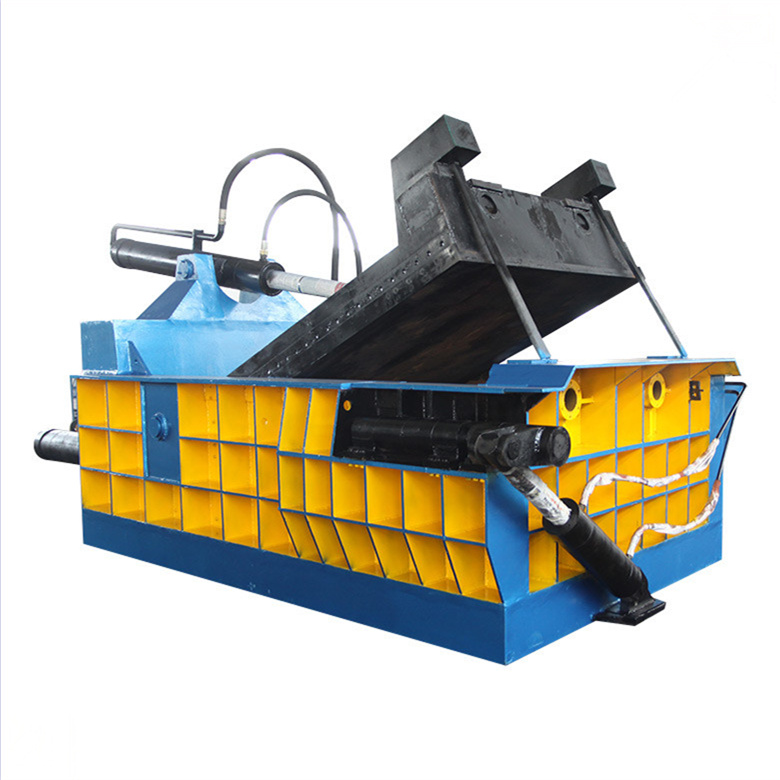
Before purchasing equipment, you must understand the available engineering designs. Each mechanism handles specific waste profiles differently. Selecting the wrong type guarantees poor performance.
This design utilizes extreme hydraulic pressure inside a hardened, closed cylinder. The machine compresses loose metal into dense, solid pucks. It accomplishes this without requiring any binding wire.
Pros: Briquetters deliver maximum material density. They provide the highest possible cutting fluid recovery rates. They perform exceptionally well processing short, brittle cast iron chips.
Cons: These units offer a lower overall throughput per hour compared to traditional baling systems. They also require a significantly higher upfront capital investment.
A massive horizontal ram pushes loose material against a heavy steel closed door. Once compacted, the machine or operator ties off the bundle using heavy-gauge wire.
Pros: This mechanism handles massive volumes of tangled, continuous iron turnings. Stringy materials easily choke or bridge inside small briquetter hoppers. Horizontal machines process these messy "bird nests" effortlessly.
Cons: Operators must rely on manual or automated wire tying systems. The finished bales occasionally shed small, sharp fragments during handling or transport.
These machines feature a vertical downstroke compaction ram. Operators usually feed material manually into the chamber. They also tie the finished bales by hand.
Pros: Vertical machines provide the smallest physical footprint available. They represent the most accessible capital entry point for small job shops.
Cons: The process remains highly labor-intensive. Vertical balers prove completely inadequate for high-volume, continuous manufacturing environments.
Compaction Design Comparison Matrix
Machine Design | Optimal Material Profile | Fluid Recovery Capability | Facility Footprint | Operation Type |
|---|---|---|---|---|
Briquetting Press | Fine chips, brittle swarf | Excellent | Medium | Automated |
Horizontal Closed-Door | Long, stringy turnings | Moderate | Large | Semi/Fully Automated |
Vertical Baler | Low-volume mixed scrap | Poor | Small | Manual Labor Heavy |
Matching your waste profile to an iron shaving baler ensures reliable daily operation.
You cannot judge industrial compaction equipment by marketing brochures alone. You must examine objective engineering specifications. Look closely at how the manufacturer builds the machine internals. We recommend evaluating these specific technical criteria.
Hydraulic System Pressure and Cycle Time: Look far beyond standard motor horsepower. You must evaluate the specific ram face pressure. Engineers measure this in PSI or Bar. The hydraulic ram must exert sufficient force to deform the iron permanently. If compaction pressure remains too low, the metal experiences severe spring-back. The bale expands violently and snaps its binding wires. Insufficient pressure wastes energy and creates safety hazards.
Wear Liners and Abrasion Resistance: Iron shavings act exactly like industrial sandpaper. They destroy unhardened steel rapidly. You must specify HARDOX® 450 or equivalent wear plates inside the compaction chamber. Standard mild steel chassis construction will fail prematurely. Replaceable, bolted-in wear liners prevent catastrophic chassis destruction. They extend equipment life significantly in harsh manufacturing environments.
Integrated Coolant Trays and Sealing: Assess the detailed design of all drip pans. Examine the splash guards and hydraulic pump seals closely. When immense pressure crushes wet turnings, fluids spray everywhere. Inadequate fluid management leads to immediate environmental compliance violations. Leaking coolant also creates severe slip hazards across your shop floor.
Installing heavy industrial machinery introduces distinct operational challenges. Recognizing these realities early prevents failed deployments. You must prepare your facility for the integration process.
First, evaluate your material pre-processing needs honestly. Acknowledge the nature of long, bird-nested iron turnings. They often require a dedicated industrial shredder before they enter a compaction chamber. Do not assume any machine handles all chip lengths natively. Feeding massive, tangled clumps into a small hopper guarantees constant bridging. An upstream shredder breaks continuous chips into manageable pieces. This step ensures consistent, jam-free feeding.
Next, consider the daily maintenance burden. Machining environments subject equipment to extremely harsh conditions. Dust, oil, and grit coat everything. Evaluate the physical accessibility of major components. Check the routing of hydraulic hoses. Locate the oil filters and shear blades. Maintenance teams notoriously ignore hard-to-reach service points. Easy access guarantees regular servicing. It prevents catastrophic hydraulic pump failures.
Finally, avoid the dangerous trap of poor capacity planning. Buying a massive machine with five times your required capacity wastes capital. It also consumes valuable floor space unnecessarily. Conversely, buying a light-duty commercial machine for heavy CNC operations guarantees continuous breakdowns. You must match equipment throughput directly to your peak shift production rates. Always plan for moderate growth, but avoid extreme over-specification.
Selecting the right manufacturing partner dictates your ultimate success. You need an engineering vendor capable of adapting to your specific facility constraints. Look for companies displaying true industry expertise.
Begin with a strict proof-of-concept requirement. Never purchase heavy machinery based on a sales presentation. A reputable manufacturer always requests a representative sample of your material. They will run a physical compaction test at their testing facility. They then return the compacted sample for your inspection. This physical proof confirms the machine handles your specific scrap profile successfully.
Assess their engineering customization capabilities thoroughly. Determine if the vendor can build a custom iron shaving baler for your exact layout. The ideal machine integrates directly seamlessly your existing infrastructure. It should connect cleanly to your current chip conveyors. It must also tie into your centralized coolant filtration systems without requiring extensive retrofitting.
Finally, scrutinize the Service Level Agreements (SLAs). Read the warranty terms very carefully. Manufacturers often exclude high-wear parts completely. Shear blades, wear plates, and limit switches require regular replacement. Ensure you understand the exact coverage limits for structural weldments and major hydraulic cylinders. Transparent suppliers provide clear maintenance schedules and responsive technical support.
Summary: Matching your baler design to your specific waste profile remains the most critical decision. Stringy turnings require horizontal balers, while fine swarf demands high-pressure briquetting.
Final Recommendation: Prioritize robust fluid recovery systems and high abrasion resistance over raw processing speed. This focus ensures reliable, long-term operational success.
Next Step: Audit your daily scrap volume and document your specific chip types today. Then, contact short-listed suppliers to arrange physical material testing.
A: A baler compresses large, stringy iron turnings into rectangular blocks secured by heavy wire. A briquetting press uses extreme hydraulic pressure to fuse loose, fine chips into dense, solid pucks without needing any binding wire. Balers process high volumes of continuous scrap, while briquetters excel at maximizing density and fluid recovery for small chips.
A: Yes, purpose-built machines recover fluids effectively. They feature integrated catch pans, splash guards, and dedicated pumps. These systems capture expensive cutting oils squeezed out during the intense compaction phase. The machine then routes the reclaimed fluid to filtration systems for reuse in production.
A: Required pressure varies heavily by material thickness and type. Industrial metal balers typically require compression forces between 100 and 400 tons. This extreme force ensures stable bale densities. It permanently deforms the iron, preventing the material from springing back and breaking the tie wires.
A: It depends entirely on your machine design and material length. Briquetting machines frequently require pre-shredding to break down long, tangled turnings and prevent hopper jams. Large horizontal balers can usually process continuous, stringy turnings directly without any prior shredding or pre-processing.


